The Scotch Whisky Association: A group of people who try to protect the integrity and interest of Scotch whisky around the world. Or, as they say:
The Scotch Whisky Association (SWA) promotes, protects and represents the interests of the industry in Scotland and around the world.
In current times they are getting a lot of flak for what they are doing, but also quite some credits. What they do from my point of view:
- Try to ban fake ‘Scotch’ from being sold.
- Protect what can be called Scotch whisky.
- Guard what can and cannot be done to produce whisky.
 In a way, I am very glad that such an organization exists. I don’t think it’s quite that important within Europe, since the rules of what can and cannot be sold as Scotch whisky are pretty clear and quite strict. In other parts of the world where counterfeiting products is a more valid business plan, it is far more important. ‘Scotch’ whisky in a can produced in Panama, fake ‘Johnnie Worker’ in China. Such products are sued on copywright and trademark infrigement.
They also try to make rules about what can and cannot be called whisky in Europe. This is where my enthousiasm is decreasing rapidly. They have decreed (and gotten their decree into law) that spirit has to mature for at least 3 years, in an oak cask, in Scotland, bottled at no less than 40% ABV and be made out of grains. For single malt it has to be only barley, and be produced in a pot still. There are also some rules about ABV at the moment of distilling and casking.
What I don’t like is that they also decree what can be done during maturation, which woods can be used and such. A whisky producer is not allowed to use anything else than oak. You cannot add staves to the cask, you cannot use other wood types, you cannot infuse with any other ingredients.
The famous story of Compass Box’s ‘The Spice Tree’ with added staves to the cask seems strange. You cannot add other ingredients, I accept that partially. But a stave is not an ingredient. It is an agent for maturation. It is taken out after maturation. It is still a cask in which the whisky matures. I see absolutely no harm in that. Stranger still is the fact that something completely foreign like colouring caramel (e150a) is allowed.
Then there is Loch Lomond. They have produced Single Malt whisky in a copper still (the old definition) since they opened. Since 2008 the law has changed (thanks to the SWA) from a ‘copper still’ to a ‘copper pot still’. Loch Lomond uses a copper column still. So a brand that produced Single Malt is all of a sudden no longer producing that. What the hell is happening there?
Blended Malt is another one of these weird things they’ve been able to push through. It used to be called Pure Malt, or Vatted Malt. This because it was a vatting of malt whisky. You have single malt, and blended whisky. Now, something that everybody was perfectly okay with has to be called blended malt. A combination of the term which is confusing more people than it helps.
I find that all this nitpicking is prohibiting innovation in the Scotch whisky industry. Almost all innovation has been in wood management with weird casks being used. This is particularly true since most Scottish distillers are terrified of not being able to put the word whisky on a label (Compass Box Orangerie excluded).
Something else that’s strange: While they are killing most agreeable plans within Scotland, they seem to have absolutely no problem with the French (or Corsican) P&M Pure Malt Whisky, which is made from a beer mash that includes chestnut flour. Technically that isn’t whisky, and even further from the definition of malt whisky.
 In the USA there are similar rules which in some cases are even more strict, but there the companies are less terrified of the whiskey stigma. Wasmund’s produces Copper Fox Rye. Not Rye Whiskey, mind you! They use refill barrels (not allowed) and apple wood chips (not allowed). What they then do is just not call it whiskey. Problem solved. Highly interesting product (I’ve ordered a bottle from here). Jim Beam does the same with their Red Stag (Black Cherry infused) and Wild Turkey does this with their Sherry Signature.
So in the end I’m not sure whether the SWA is a good way to go. They do a lot of good work but I think they should focus on banning fake and counterfeit products, the misuse of the word Scotch, but not try to prohibit innovation. I think the Scotch whisky industry is in some points far too focused on traditions from 200 years ago. This is of course not only the SWA’s fault, but they’re a big part of it.
Then there is also a lot of discussion that the SWA is more or less an extension of Diageo’s wishes and focuses too much on the benefits to the mega corporations. I don’t like that idea either, but don’t have any concrete examples of it.

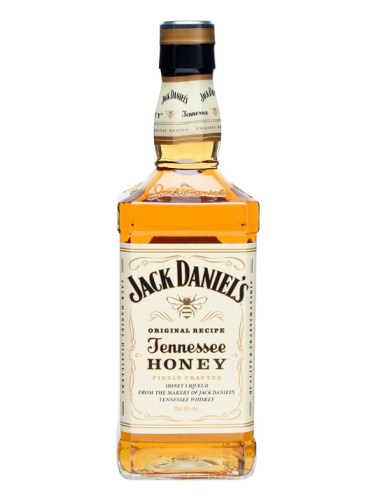 A lot fuller than I remember and it doesn’t have the scent of wet cardboard. Sharper and spicier too which I find surprising for something this smooth. Honey of course, pretty floral. Wood, cinnamon and bread pudding. Rather fruity after a minute with soft and sweet peaches. It does becomes drier and spicier after a few minutes.


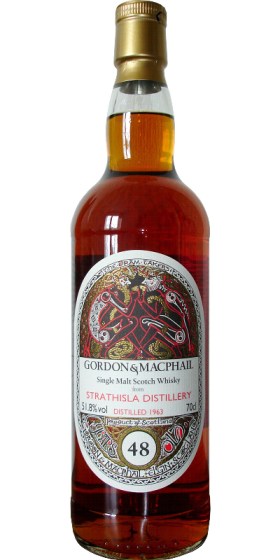

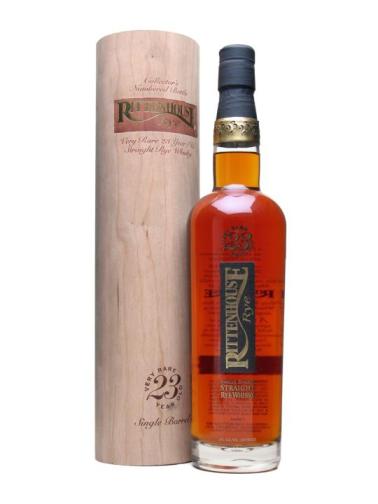 I have the feeling I can smell the barley, rye and corn separately at first. I also find icing sugar, brown sugar, oak and sandal wood. It has a bit of an oriental feel to it. Then I get strawberries, honey and a tad of vinegar. The corn takes a bit of dominance with rye bread. Later some flowers and grass pop up. Rose water I think.

 Malt Fascination