Blog Birthday Bash #4

Last Saturday was the day of this wee blog’s fourth birthday party. Not the actual 4th birthday but due to pregnancy and the lack of planning thereof we pulled that forward a little bit.

As said in the announcement post I organized a much smaller party this year with only 7 guests. I invited slightly more but since it’s the holiday season not everybody could make it.

That also meant that we didn’t have to go through 30 whiskies. Instead, it was just some 17 bottles or so. At least, I have 17 pictures of bottles but I might have missed some. I started the party with a (mass produced lager) beer because it was about 35 degrees in our back yard. Not really weather for Lagavulin, so to say. After that I made Sazeracs for all, and by doing so, I finished my bottle of Zuidam Dutch Rye. That one goes really well in a Sazerac.

(un)Pulled Pork!

(un)Pulled Pork!

Of course, the inner being has to be taken care of too so there was some barbecue going on. I made pulled pork (it’s an annual staple by now) and between 9 of us (7 guests, me and Anneke) we worked our way through some 7 pounds of pork butt. It was pretty good and I could do a head to head between my two Weber barbecues. So far, the Weber Go Everywhere beats the Weber Compact.

Then the booze:
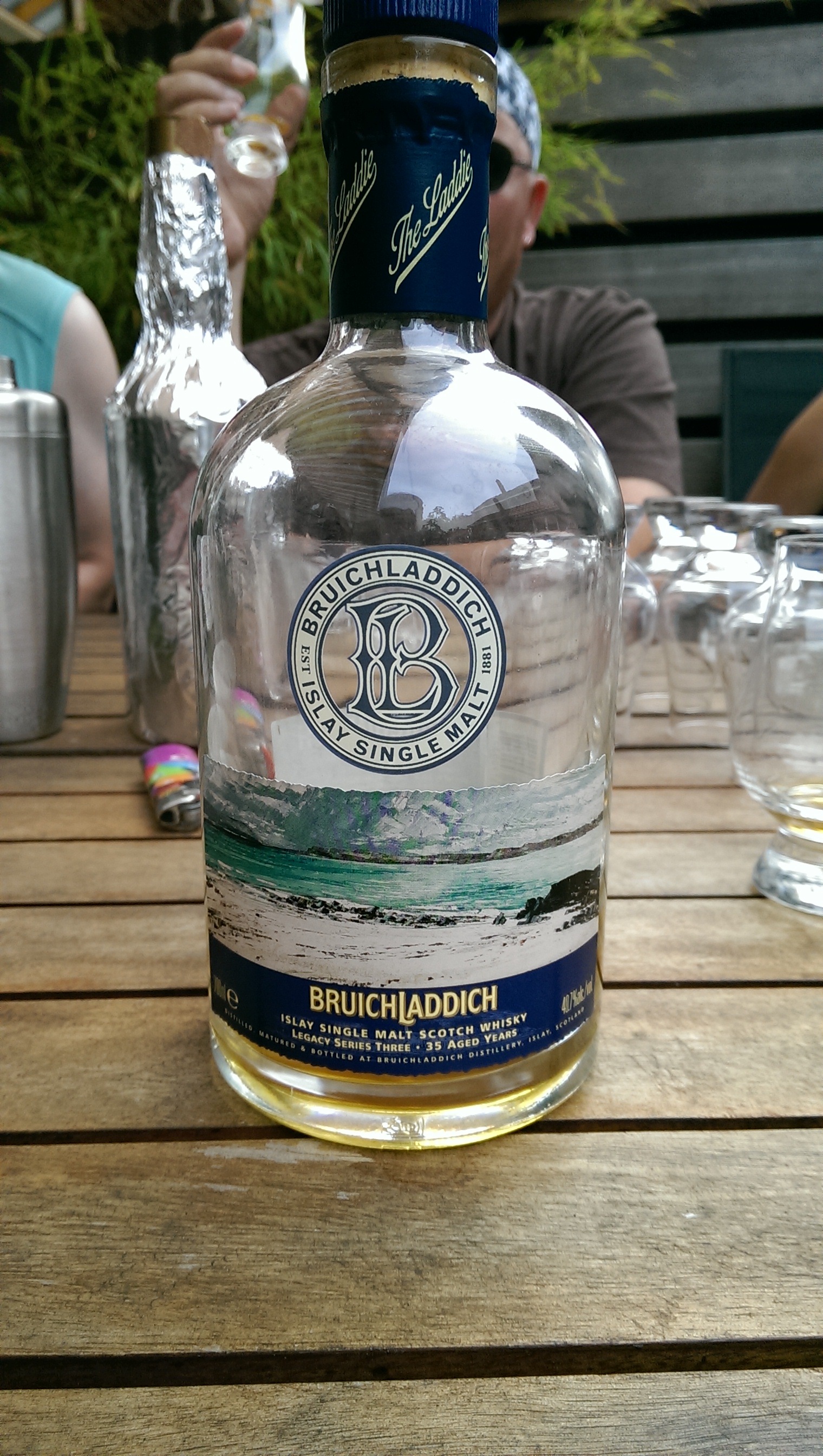
Bruichladdich. Sweet on the nose, slightly bitter on the palate. Inconsistent but very enjoyable. I loved it.

Bruichladdich. Sweet on the nose, slightly bitter on the palate. Inconsistent but very enjoyable. I loved it.

Old Crow, bottled in 1970. Pretty kick-ass bourbon.

Old Crow, bottled in 1970. Pretty kick-ass bourbon.

A very surprising young Mortlach. Highly enjoyable and a big surprise. Not as meaty as usual

A very surprising young Mortlach. Highly enjoyable and a big surprise. Not as meaty as usual

Bas Armagnac from 1964. Thoroughly great, with nice herbal notes on the sweet wine base. Very, very good.
Bas Armagnac from 1964. Thoroughly great, with nice herbal notes on the sweet wine base. Very, very good.

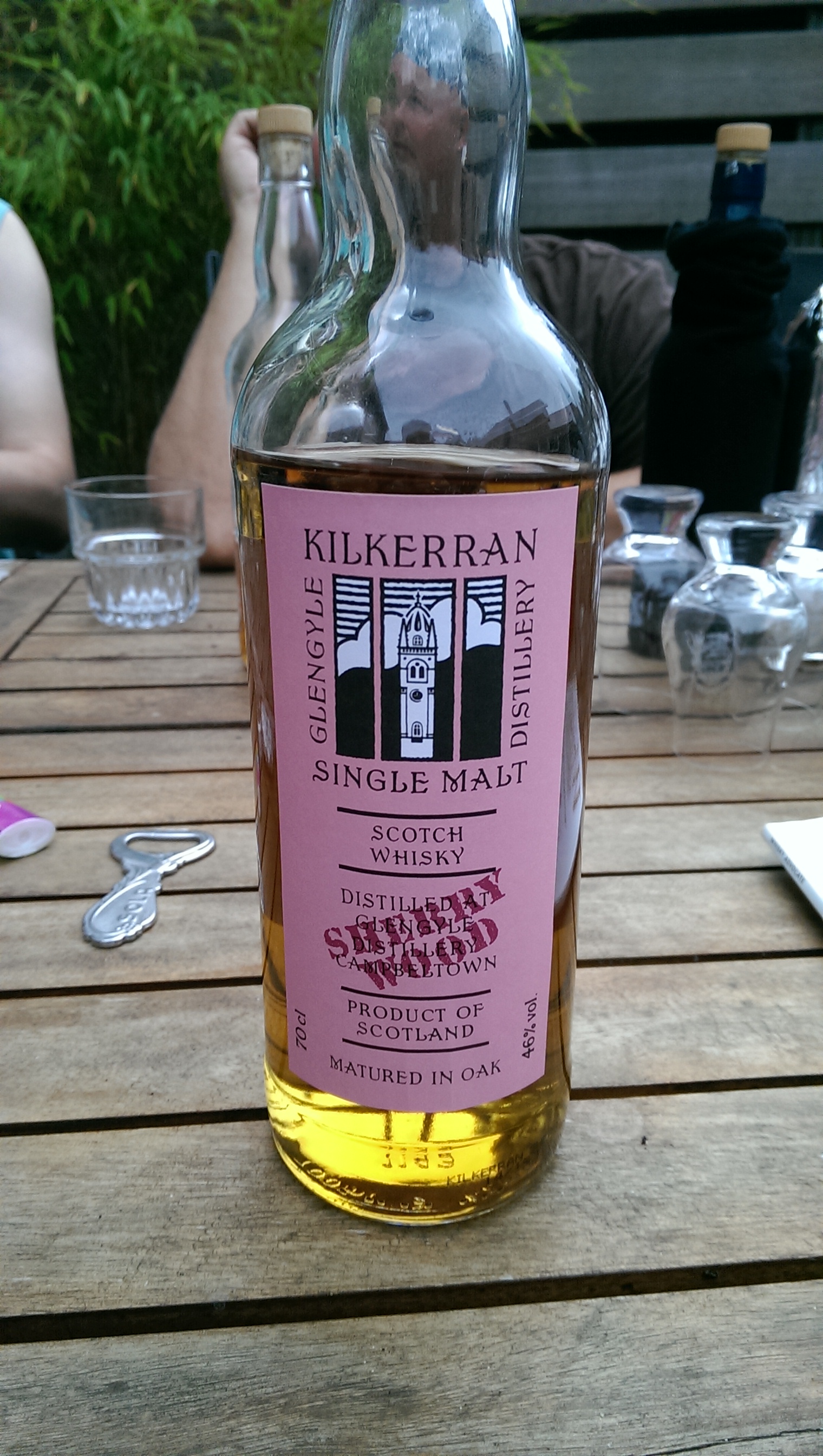
A new Kilkerran. Much more peaty than expected. We figured it was Longrow or Bunnahabhain. Very good.
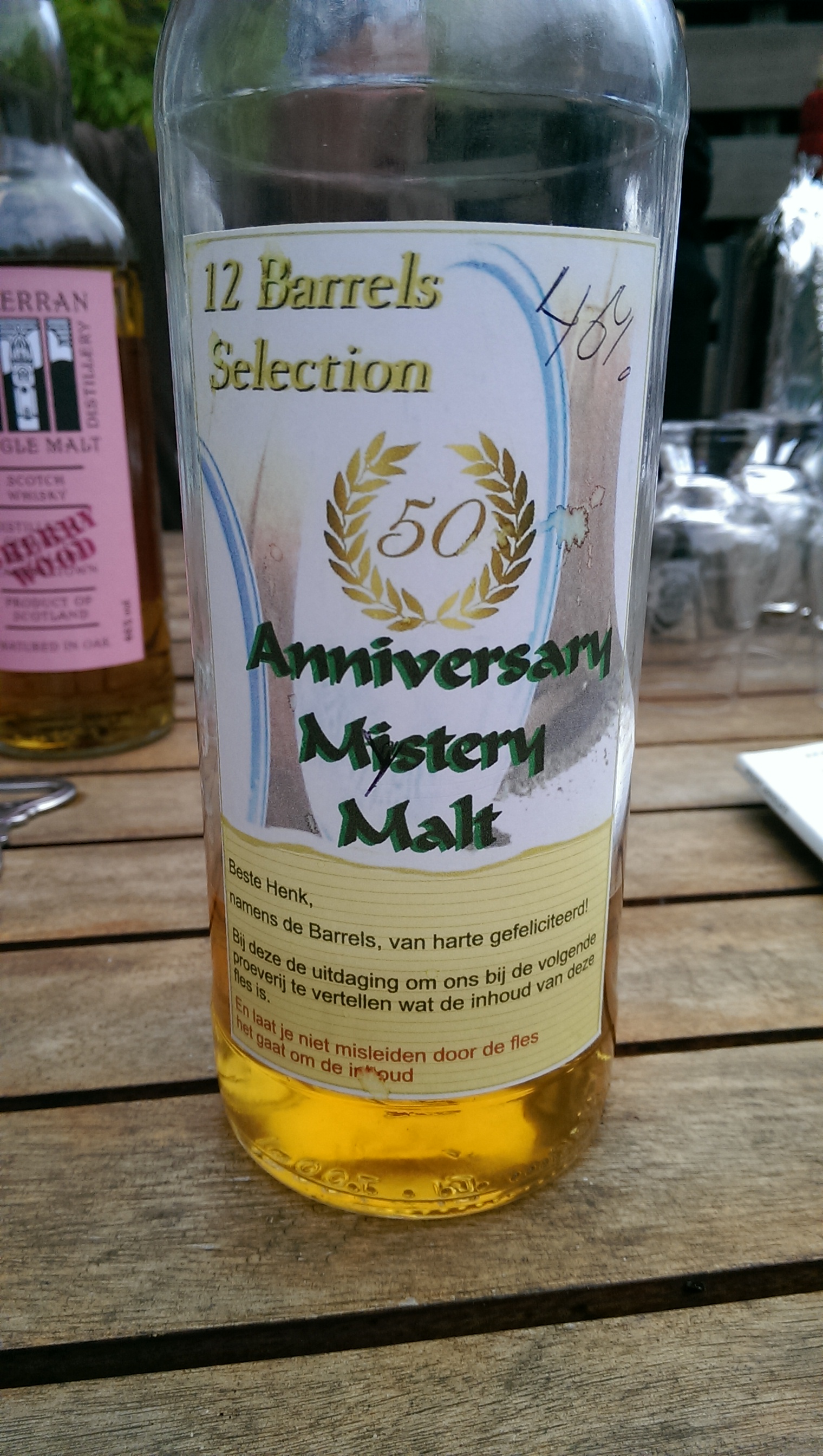
A new Kilkerran. Much more peaty than expected. We figured it was Longrow or Bunnahabhain. Very good.

Don't even remember what this actually was. Help me out here, guys!

Don’t even remember what this actually was. Help me out here, guys!

Dalmore Virgin Oak. I had it before and would NOT have recognized it. Lots of oak going on here.
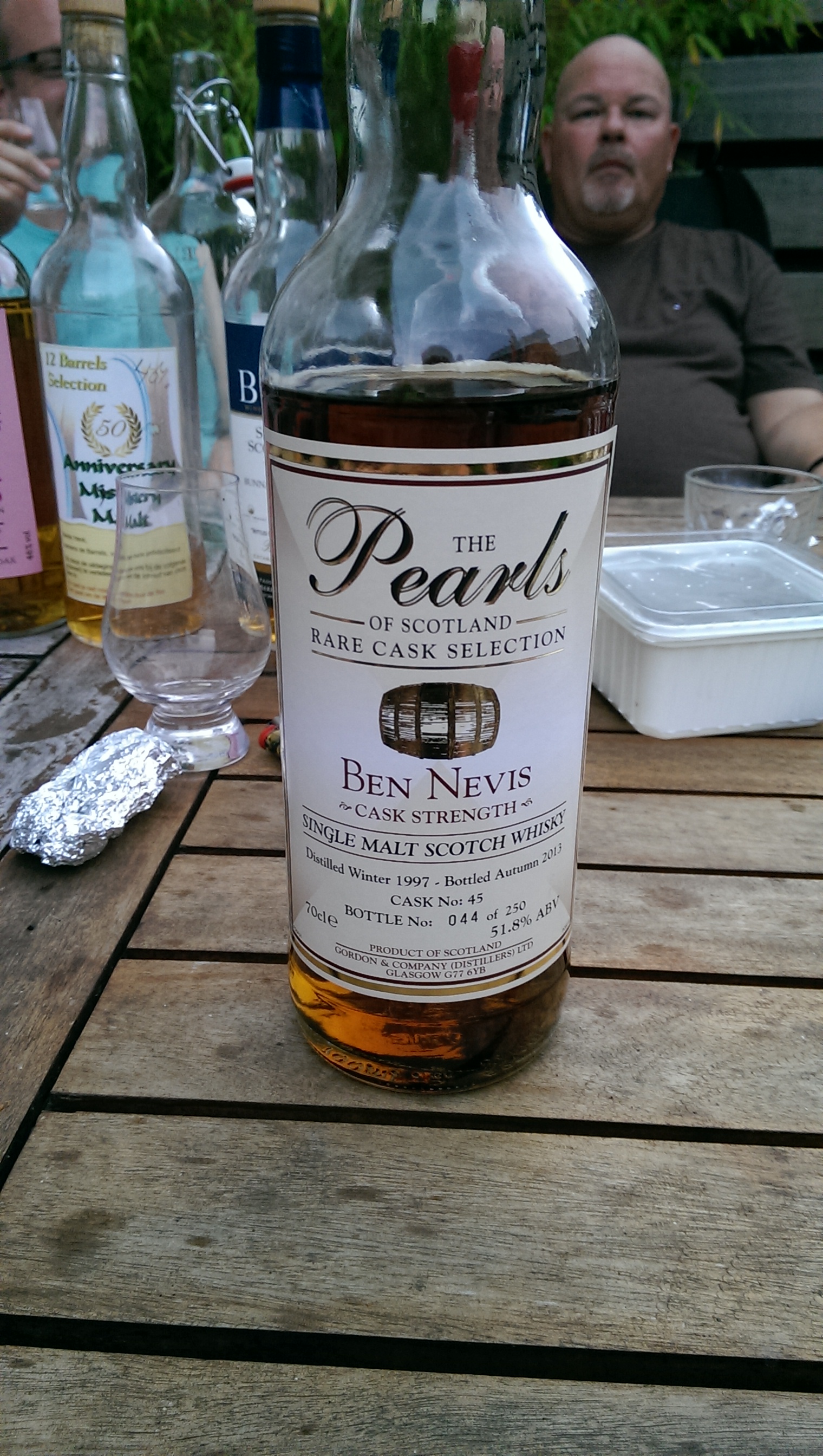
Dalmore Virgin Oak. I had it before and would NOT have recognized it. Lots of oak going on here.

Ben Nevis from an unknown bottler. Very tasty, very surprising too.

Ben Nevis from an unknown bottler. Very tasty, very surprising too.

Michel Couvreur's Candid. Not liked by everyone, but I love the bitter and salted caramel notes.

Michel Couvreur’s Candid. Not liked by everyone, but I love the bitter and salted caramel notes.

Cooley? Utterly delicious. One of my favourites of the evening.

Cooley? Utterly delicious. One of my favourites of the evening.

A surprise Bunnahabhain. Very good, very fruity.

A surprise Bunnahabhain. Very good, very fruity.

BenRiach 1976. Can't go wrong there.

BenRiach 1976. Can’t go wrong there.
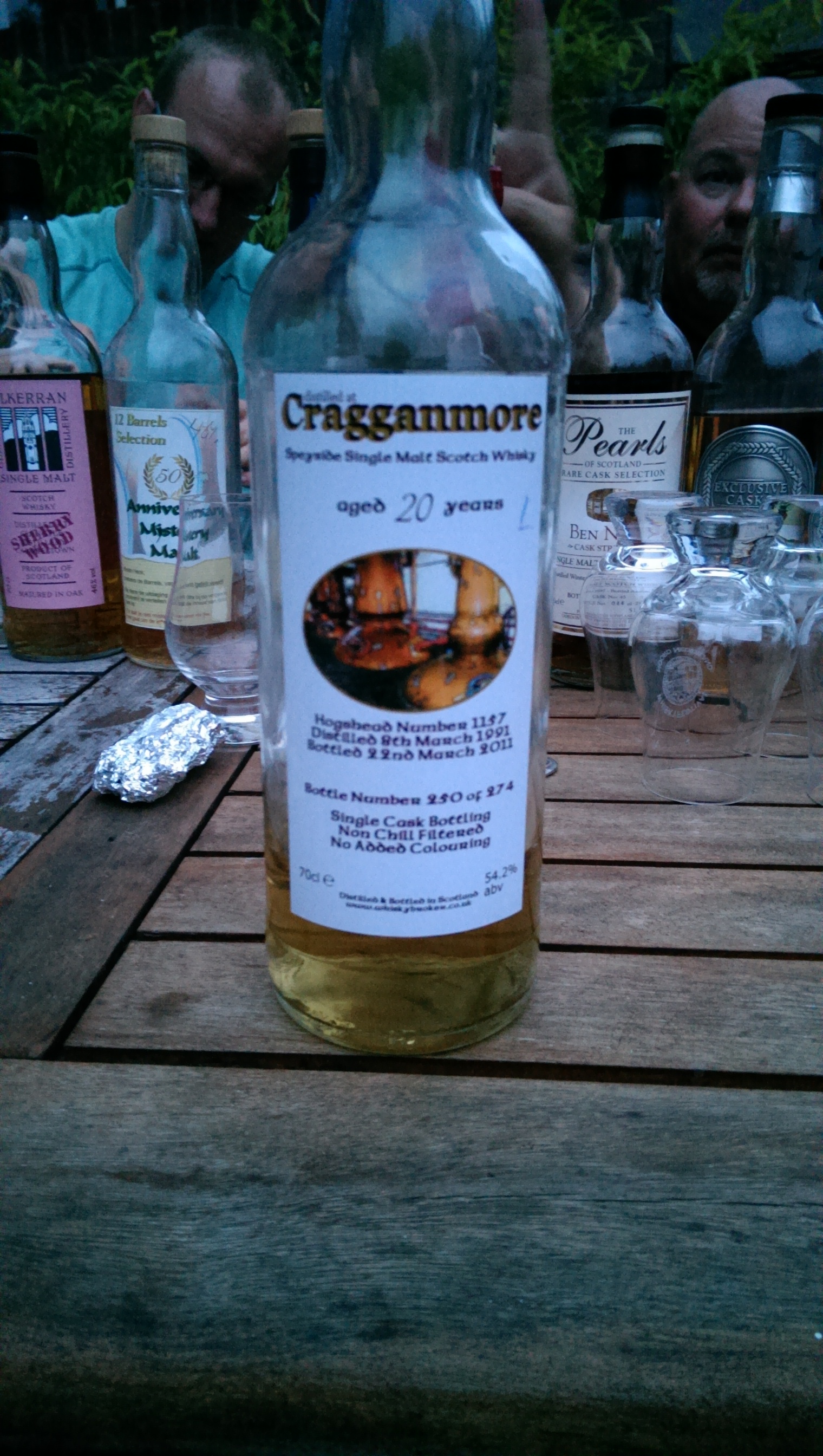
Cragganmore. Quite nice too.
Cragganmore. Quite nice too.

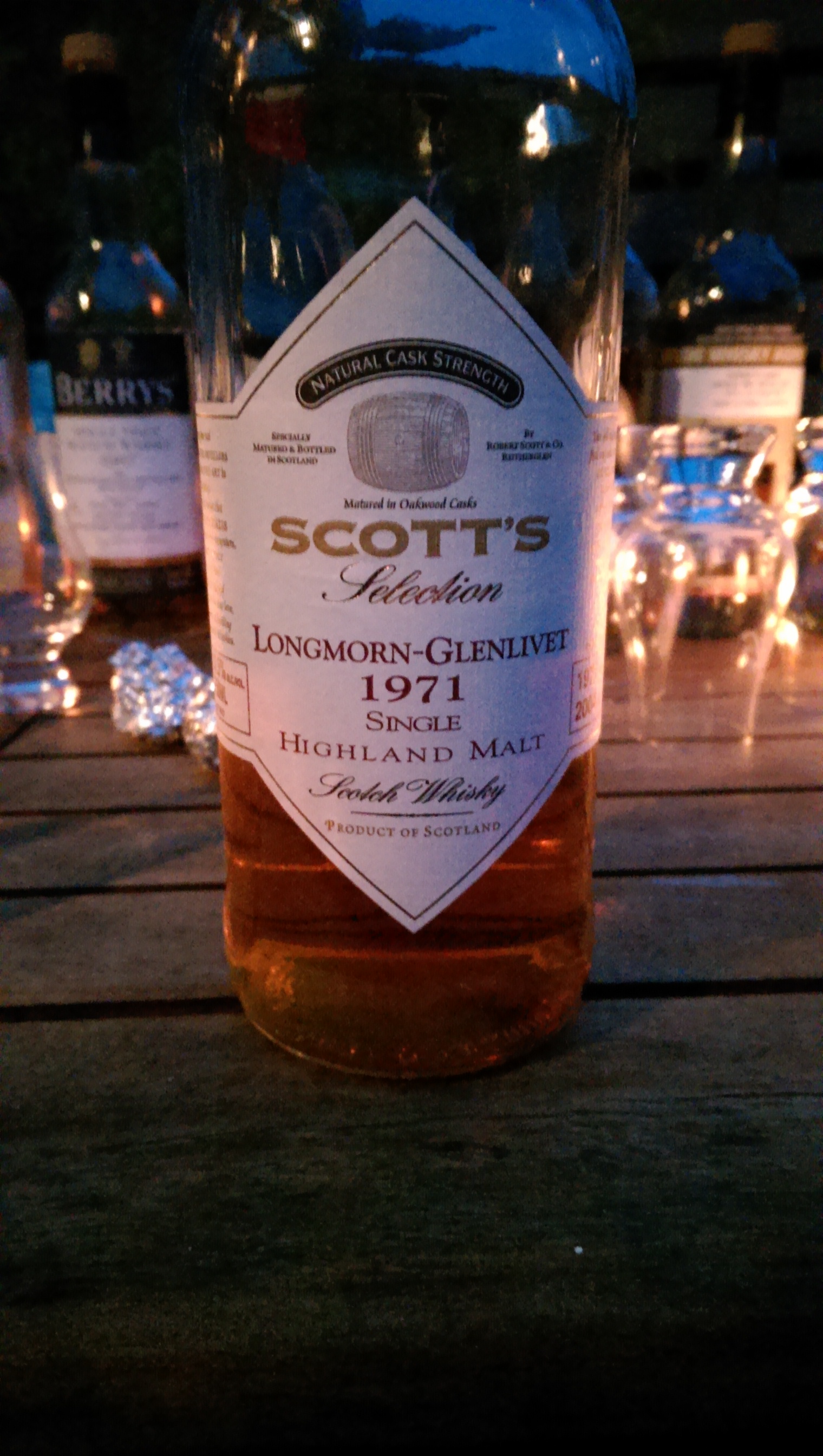
Old Longmorn. Oh yes!

Old Longmorn. Oh yes!

Bowmore Feis Ile. This was a rather lovely one. Better than last year's bourbon cask.

Bowmore Feis Ile. This was a rather lovely one. Better than last year’s bourbon cask.
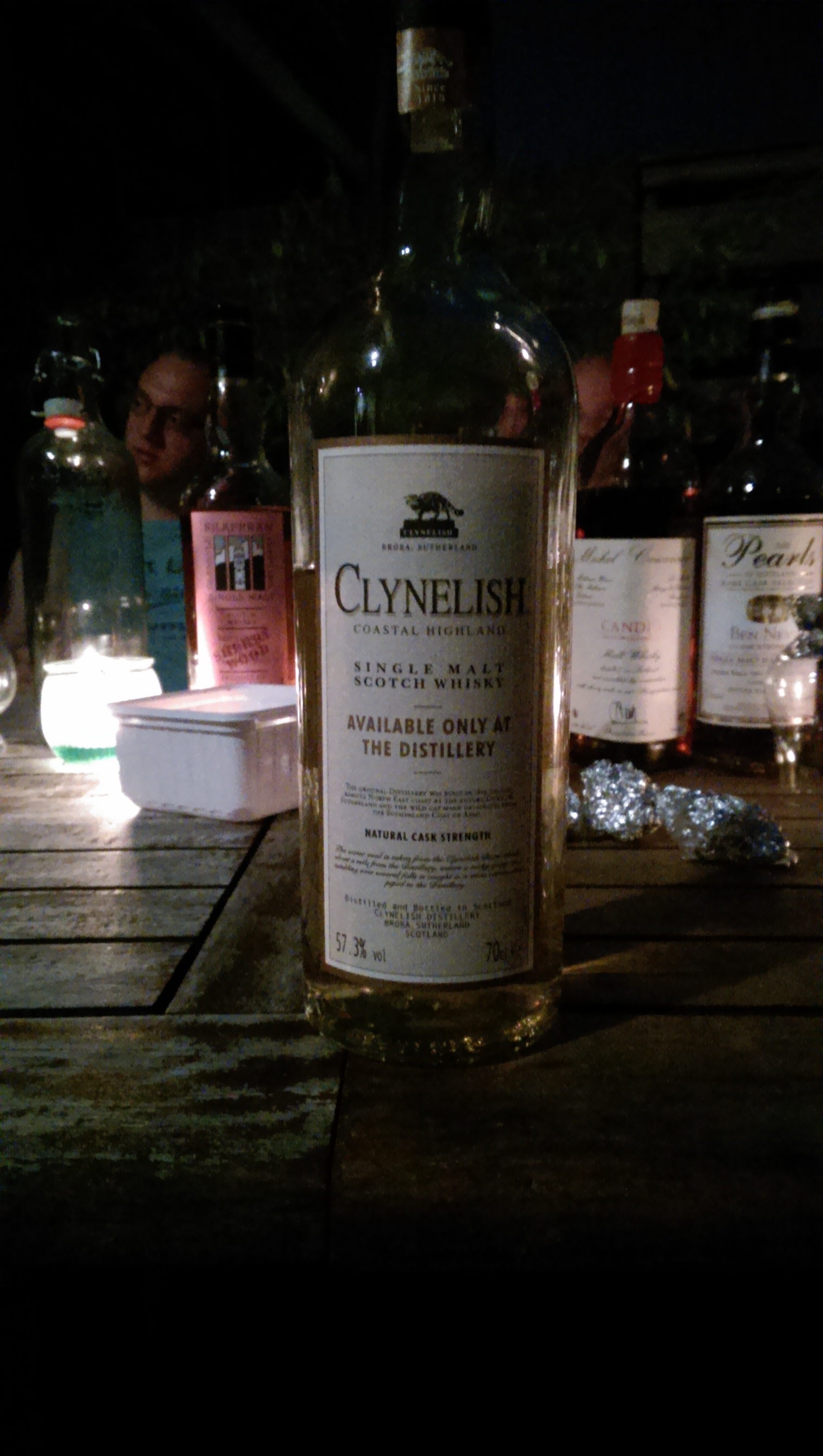
Clynelish Distillery Only. The overall winner of the night?
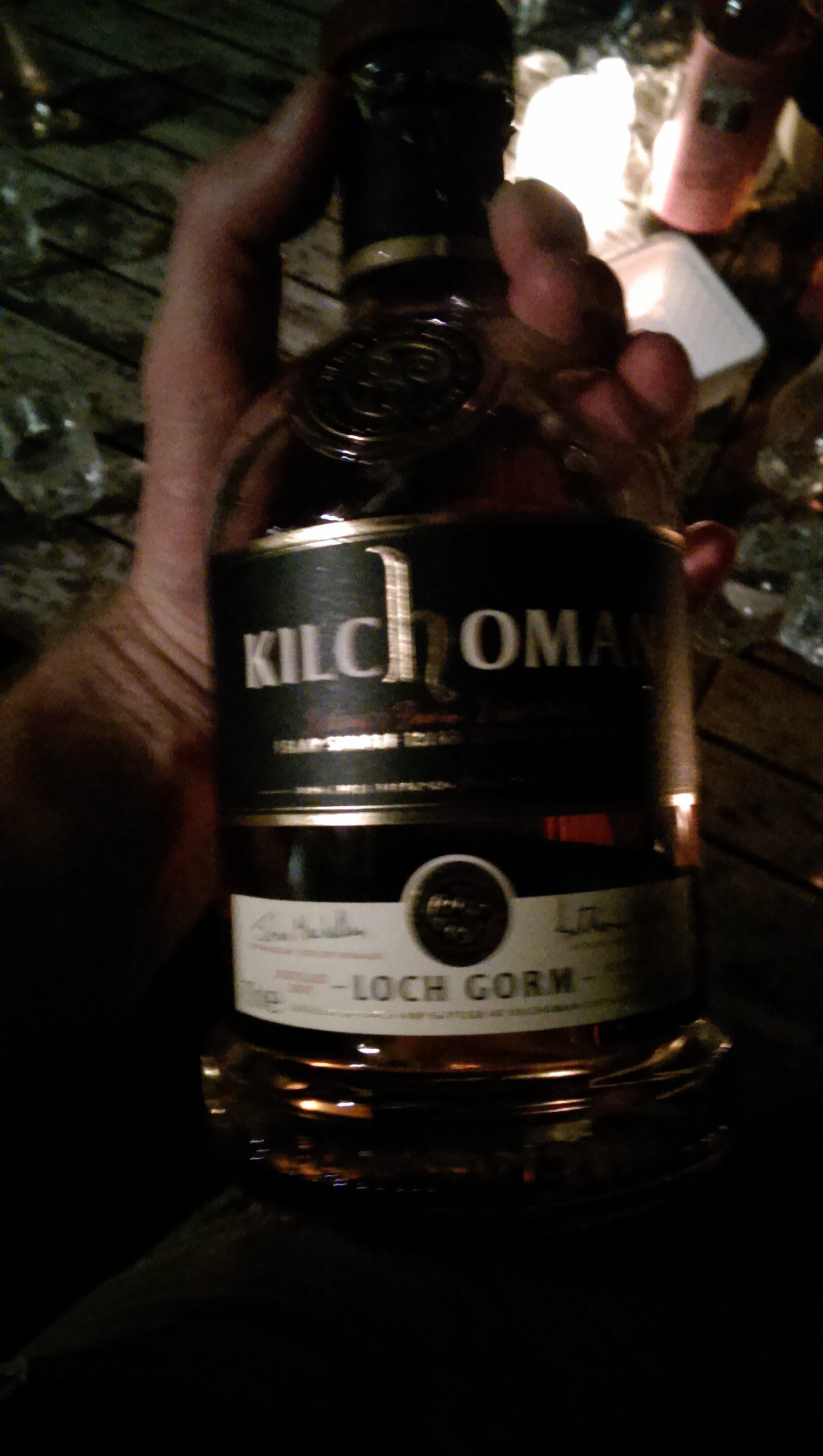
Clynelish Distillery Only. The overall winner of the night?

Kilchoman Loch Gorm #1. We kept pushing the peat back. It is lovely.

Kilchoman Loch Gorm #1. We kept pushing the peat back. It is lovely.

As you can see, the pictures got blurry-er near the end of the night, which is comparable to my level of thought. After all this H&H pulled out some well aged 2007 vintages of Westvleteren 8 and 12. Those are some awesome beers!

I had a pretty kick-ass evening and I hope everyone else did as well. The next morning was pretty tough with Ot waking up at about 5.45, and preparing a lunch for 12 people. We have to plan better next year…

So again, thanks to Anneke, Henk, Helen, Henk, Tom, Thomas, Jeroen and Teun
Posted in - American Whiskey, - Blended Malt, - Irish Whiskey, - News and Announcements, - Other Spirits | Tagged , , , , , , , , , , , , , , , , , , , , , , , , , , , , , , , , , , , , , | 4 Comments

The NAS debate #2

Last Monday I wrote a little bit about the NAS debate that’s been going on for about two years. It turned out to be a rather popular post, one of the more popular ones of the last couple of months.

There was some discussion as a result, mostly on Twitter which turned out to be interesting and even had some industry people involved defending some of the NAS releases.

What this, unfortunately, results in most of the time is people referring to one or two good NAS bottlings to prove a point. A point that is much, much larger than those two bottlings. And yes, I can name a lot more good NAS bottlings than I can name bad ones, but my post was not about the merits of NAS bottlings, or the lack thereof.

My point is that I want more info. I want to know what I’m spending my money on and not just accept some marketing blurb about the terroir of the distillery being in the whisky and some romantic jibberjabber. I don’t mind that there are a lot of NAS bottlings out there even if I find a lot of them lacking in quality compared to the price asked. That is also the case with many ‘age stated’ whiskies. I don’t buy them either.

I even bought a NAS whisky pretty recently, at a whopping (to me at least) € 95 (it’s one of my entries for the blind tasting on Saturday, so no disclosure yet). This I bought because it’s good. Even without info, in the end my palate decides. Still I regret there is not much more info on the label. I’d like to know all about this whisky.

What I find strange is that a lot of producers spend quite a bit of their marketing budget on education (potential) customers. To get them to know the brand and their whiskies. Yet, at the same time they do not want to disclose any info on their NAS whiskies.

I realize that putting the age range of the whisky on the back label would effectively nullify the NAS category, since you do put an age on it, but my preference would be that NAS goes towards something like this:

“This batch of Talisker Storm was made using casks that range from 6 to 17 years old”.

Of course, Talisker Storm is an example and I don’t have a clue what’s actually in there. I for one, wouldn’t mind if batch 2 was made from 4 to 22 years old, and batch 3 was made from 8 to 13 years old. I understand the need for consistency in flavour. I applaud distilleries going for that since, apart from all the gimmicky single casks that geeks like me buy, we all have our staple whiskies that we want to be as consistent as possible. Plus, let’s be honest, we’re not a drop in the ocean compared to the regular releases from distilleries.

To cut it short, and use a quote stolen from Oliver Klimek from Twitter yesterday:

The real issue is not age, but price and its justification

Posted in - News and Announcements | Tagged | 5 Comments

The upcoming 4th birthday

On Saturday (July 19th) MaltFascination will celebrate it’s fourth birthday.

Technically the anniversary is on August 3rd, but with our second kid being due on August 10th I didn’t want to take the risk of having to cancel the celebrations.

This year it’s happening slightly different to previous years since I downsized it a bit to only some people from the Whisky club I’m part of, the Usquebaugh Society. This means the group is about half as big as last year. This is nice, since last years it got more and more crowded in our little back yard. This wasn’t necessarily bad, but I wanted it to be a bit more ‘intimate’. Plus, nobody can properly assess the 20th whisky in a row.

So, what’s happening on Saturday?

Apart from the weather forecasts being good, maybe even too good (31 degrees is HOT), there’s going to be a massive amount of pulled pork and some side dishes for food. During the night there will be other snacks. And chocolate of course, since that goes well with whisky.

Then there’s booze. It always has been a blind tasting event and that will not change anytime soon. Everyone brings a bottle (or two, if history is any indicator) and we’ll sit around yapping about it and everything else that comes up. Then, all of a sudden someone screams his guess about the contents of the bottle, and everyone else adds their two cents.

Of course, we’ll also have a beer with the meat. There’s a cocktail to start the afternoon Sazeracs this time. Last year was Whiskey Sour.

I’m very much looking forward to it, even though I have not yet decided what my contribution to the line-up is going to be. In the back of my head I’ve been planning next year’s 5th anniversary, which should be a lot bigger again. Maybe even a  hog roast.

Apparently I didn’t do a write-up of the 1st, but I did so for the second and third birthdays.

Posted in - News and Announcements | Tagged | 3 Comments

The NAS debate

I don’t think I’ve ever written a post on the NAS debate that’s keeping the whisky industry and aficionados in its grips ever, except the April Fools post a couple of months ago, but I have mingled in the discussions on Twitter and Facebook every now and then.

What it boils down to is this (and this is a generalization, at best):

On one end of the spectrum there’s ‘the industry’ who see their stocks rapidly dwindling because of huge demand. They, being a business, capitalize on that by selling for increased prices and bottling younger stock to cope with demand. A lot of this younger stock is bottled under the NAS label. This means there’s no age stated on the label.

On the other end of the spectrum are ‘we’, the whisky geeks. People who want to know all ins and outs of the industry and preferably each dram we drink. The whisky geeks feel ripped off by all these NAS labels, since they feel they’re being sold younger (and often worse) whisky at higher prices. If the quality of a decade ago is what you’re after, you have to shell out big.

Of course, there’s a lot more to this debate, but above standpoints are more or less what it boils down to. Other arguments are that NAS is flavour driven instead of age driven. Also that the quality and consistency has increased by not limiting oneself to a certain age bracket. Counter arguments are (and there are some examples that stave this argument) that the quality generally is lower than what it used to be, you’re being sold crappy whisky at premium prices, and the industry is trying to hide itself behind all kinds of excuses.

Anyway, I’ve tried to go against my usual demeanor by not being overly cynical about people who try to sell me stuff. I try to evaluate a whisky based on its merits, and not on what the label or PR company tries to tell me. I do have to admit, however, that I have barely ever bought a NAS whisky of over € 50. I just can’t bring myself to spend € 140 on Glenmorangie Signet, although it’s good.

Yesterday, in a post written by Gert Claus, of the Belgian ‘Tasty Dram‘ blog I found a statement that rang very true to me:

Once a certain price ceiling is reached, I do think an educated customer is entitled to more then the basic marketing lingo.

I think this hits the nail on its head. Not because it flames NAS whisky for what it is, but more what we whisky geeks want. We want info. We want to be in the know (Yes, like Redbreast).

This is what bothers me about most of the NAS bottlings. I don’t care that some whisky is technically only 6 years old, but expensive. As long as it’s good. And the producer/bottler has the guts to tell me what I’m drinking. Like Gert said, the colour doesn’t tell you anything. Colour like the Macallan Ruby can be achieved in half a year.

I spent quite a lot of hours reading about whisky. About the chemical processes creating flavours. About how maturation affects flavour. About barley strains used. About ‘terroir’ in distillery’s products. About marketing, production, history and future. Many geeks do this too. We want to know.

There are some notable exceptions, and I hope people will do this more and more often. Ardbeg Rollercoaster had on the label how old each cask was that went into it, and how big the overal percentage in that age bracket was. Balvenie’s Tun 1401 bottlings have a list of used casks on the label. Batch contained a cask from 1991 and older ones. There’s only cask numbers but with some effort you can figure out what’s what. I hope this will become a trend. We whisky geeks don’t mind flavour driven whisky. We don’t mind young whisky. We don’t (generally) even mind paying good money for a decent dram. But we want to know what we’re drinking.

Even this whisky industry used to want us to know what we were drinking. When, in the 80s, Single Malt started to take flight age statements were rapidly added along with more and more info on labels to make ‘us’ (between quotes, since in the 80s I was mostly drinking milk) more discerning drinkers. It was used by ‘the industry’ to stand out from the crowd. “Look at us giving you a 14 year old whisky!”

Posted in - News and Announcements | Tagged | Leave a comment

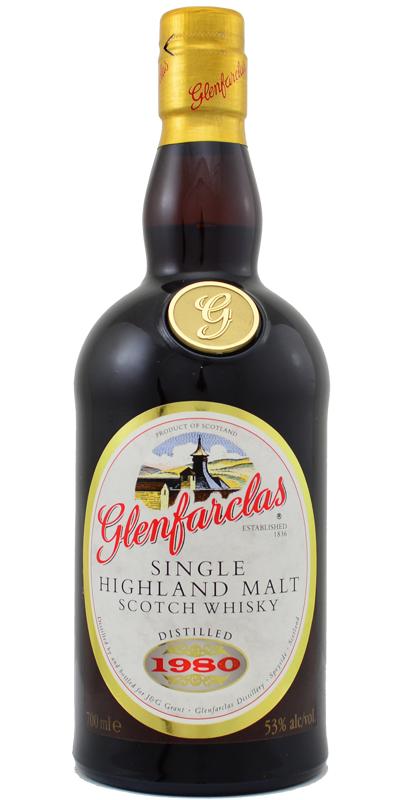
Glenfarclas Dark Oloroso Cask, 1980-2002, 21yo, 53%

Every couple of years something strange happens in The Netherlands. For some reason, from some warehouse, a pallet of whisky pops up that everyone had forgotten about. A couple of years ago (I think it was 2008) it was Brora 30 year old from 2004 (You know, the best one). This year it was this Glenfarclas bottled in 2002.

What’s even stranger, is that the bottles always go to the same set of shops and they are sold at relatively low prices. Back in the day that Brora went for € 175, when the more contemporary versions already were way over € 300. This Glenfarclas went for € 125.

It’s a lot of money for a bit of booze, sure, but compared to where whisky prices are going for NAS bottlings, other vintages and especially rare, limited stuff like this, it’s a steal.

Now I do like Glenfarclas. Especially older ones at higher ABVs and even more so when they’re dark. As the name suggests, this one is dark. Very dark. My interest in this bottle peaked. I bottle-shared it, since my wallet was objecting to me getting a whole bottle and with such a rarity the bottle-share filled up in about 10 minutes. I wanted to get another bottle but they were gone by then. Things were going fast!

Glenfarclas Dark Oloroso 1980

Glenfarclas Dark Oloroso 1980

Sniff:
Lots of powerful sherry (no surprise), oak and a dryness that you wouldn’t expect from PX (if you’d taste blind and only had the colour). It’s different from what I expected. Dates, dried plums, some raisins and even a hint of smoke. It has some light hints of brimstone and is slightly bitter. Even a bit of sulphur, but in a good way.

Sip:
Sweeter than the nose made me expect, but the bitterness lingers here too. Oak, star fruit, dates, raisins and raisin twigs. The star fruit combined with the richer stuff is surprising but far from bad. After all this I get loads of pepper and a certain burnt dryness. Also some oily notes.

Swallow:
The finish focuses heavily on the sherry again. It’s sharp and hot in your throat. Dry with bitter oak. It lasts long and stays heavy.

Lovely, but you have to like all this bitterness going on. It’s a very complex dram with loads of flavours which, individually, you could call an off note, but in this case they work very well. It’s not my favourite Glenfarclas, but it’s up there with them.

But, in the end, it is a bit of a strange one. Nothing world changing is happening with this dram, although I dare to say I never had anything like this before. Especially not from Glenfarclas. There are loads of flavour, there are layers, there’s lots to discover. But, it does focus more on being interesting than being utterly delicious.

A strange thing is happening, which has happened before. While I was drinking it I was rather critical of this drink’s merits, but now it’s gone (I gave the last bit to my father in law) I feel I should have spent more time with it. I bet there was more to discover.

So, all in all, a top dram!

Glenfarclas Dark Oloroso Cask, 1980-2002, 21yo, 53%. It was available in The Netherlands a couple of months ago for € 125 or so.

Posted in Glenfarclas | Tagged , , , , | Leave a comment

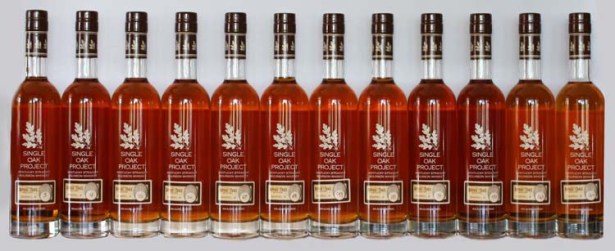
Buffalo Trace Single Oak Project #89, 45%

I got a sample from Israeli/American friend Shai a while ago but I didn’t get around to tasting it until recently. I know this is how a lot of my posts start but in this case I really wanted to try it, but I kept hoping for another bottle to pop up somewhere so it was comparable.

The Single Oak Project needs to be compared, I think. The project, which tries to identify the DNA of bourbon a little bit consists of I believe 192 different barrels of bourbon, each of which plays a variation on some of the 7 parameters they focused on. These are Top half/Bottom half, rye or wheat, high or low filling proof, warehouse location, two different locations of trees, charring level of the cask and the seasoning time of the wood before being made into a barrel.

A batch of the Single Oak Project by Buffalo Trace

A batch of the Single Oak Project by Buffalo Trace

Buffalo Trace did get some flack for the price of these bottles, since the bottles are only 375ml and still cost $50. Compared to the only ones I saw available in Europe that still is a a steal, since the one batch I saw here cost, if I recall correctly, around $160.

Anyway, batch 89, from their tenth release cycle is a Rye bourbon, 105 entry proof (52.5%), matured in a wooden rickhouse, level 12 seasoning (?), #3 char (which is a pretty heavy char) and the barrel is made from the top half of the tree.

Buffalo Trace Single Oak Project. (Yes, I know it's the wrong barrel number)

Buffalo Trace Single Oak Project. (Yes, I know it’s the wrong barrel number)

Sniff:
It starts rather crisp with some caramel and no overly sweet notes. It shows a hint of red forest fruits (strawberries, raspberries and such) and gets rather earthy after that. Autumn leaves, dried apples. It’s light but it also does have a strange hint of cardboard.

Sip:
Again, light and sweet with a minor spicy note. Slightly thin but the spicy notes do build up to show some strength. Quite dry too, but still not very rich.

Swallow:
The finish is better with some red chili peppers (the pulp, not the seeds or skin). Sweet with oak, leaves and fruit syrup.

I’m not a fan. I saw some positive reviews of this batch, but I can’t shake the idea that the regular Buffalo Trace whisky is a little bit bigger and has more depth. I am extra happy I didn’t buy the over-priced bottle that was available in Europe, since I had really high hopes and thought it might just be worth it. It would not have been.

Anyway, I do still like the idea of the project, but I think by making the price too high, even in the United States, it’s kind of prohibitive to try each and every one of the 192 bottles. I can’t imagine spending $ 9600 over the course of a couple of years on only one brand of bourbon. Of course, this range is so popular that Buffalo Trace doesn’t really have to worry about this.

Also, my main concern would be that, in the end, 192 slightly varying whiskeys would be just too much of a good thing. At some point you’re going to lose track of all variants, which were good and which were not and so on. I guess it would have been nice if they would have just done a dozen, and stuck to less variables.

Still, thanks to Shai for sending me this! Loved to try it!

Buffalo Trace Single Oak Project #89, 45%

Posted in - American Whiskey, Buffalo Trace | Tagged , , , , , , | Leave a comment

Absinthe: A Myth Always Green – Benoît Noël, Peter Verte, Artémis

Another book I read during my holiday in France. It seemed appropriate. First, to get this off my mind: I don’t believe the writers used their own names. It seems unlikely someone is actually named Artemis, and then the combination with Peter Verte (Green…) seems even more far fetched. Kind of lame…

I once read a book on Absinthe, a couple of years ago. The Little Green Book of Absinthe didn’t really go in to the production process and focused heavily on cocktails and the current standing of the drink in the United States (and Europe, but less so). It was interesting, but not as in depth and geeky as I had hoped.

Then I came across this little book when I visited Van Wees in Amersfoort last year with Tom and Gal, on our way to Maltstock. It was discounted and only cost me about € 4.75 so no reason to not pick it up. It looked rather geeky and again, I hoped it would explain the production process and how it came to be a bit more.

Absinthe. A myth always green

Absinthe. A myth always green

How Absinthe came to be seems hard to pin down. Everybody knows where it comes from, when it was ‘invented’ and what happened next. No one seems to care about what people were thinking of making a drink so bitter that it needs sugar and water to be accepted by the masses. Schnapps, Eau-de-vie and other infused and/or macerated distillates are known, but at some point Absinthe added itself to that list. For unknown reasons.

Anyway, this book also did not go in to that. It did explain a bit of it’s history, but from a social point of reference. It looked at the impact it had on (mostly) French culture, who were known drinkers of the green fairy and how it made its way into lots of impressionists painters works, and poetry and fiction of the late 1800s.

The take on how it was outlawed during the first world war was very interesting. Although people are lead to believe this had a lot to do with the supposedly hallucinogenic workings of wormwood, the writers of this book have another opinion.

According to Noël, Verte and Artemis the French wine industry was still recovering from the Phylloxera disaster that struck them in the last quarter of the 19th century. By then they had lost most of the market for brown distillate with whisky taking over almost every export market France had. Apparently the industry lobbied for a ban on absinthe under the false pretense of that being the cause of all evil in the country. Very interesting and a nice bridge between whisky and abinsthe!

Unfortunately, after you’re halfway through the book, it turns out to be rather dated. It was written about a decade ago, before most bans were lifted and although it does refer to quite a few distilleries making (according to the writers) a lot of inferior imitation products, there is barely any info on what’s happening now (obviously).

After this gap in recent history it also goes into cocktail recipes. Luckily not so many but the rest of the book is filled with other marginally interesting information. There’s a list of distilleries and the writers’ view of them and their products. There’s also a list of Absinthe paraphernalia that is rather uninteresting to read. You can only read about spoons for so long, right? And that’s about it.

So, again, a book on absinthe that has its merits, but is about half as long as you expect it to be. Also, the references to writers and painters are sometimes far fetched, or very obvious. The information about its ban, the period it happened in and the fact that this ban was not as wide spread as I thought were interesting.

In short: A nice read, especially at less than five bucks, but not recommended if you’re into geeky information like you’ll find in many whisky books.

Posted in - Book, - Other Spirits | Tagged , , , , , , , | Leave a comment

Clynelish 2003, 10yo, Le Trou Normand, 61.4% (26.96) – SMWS

Another day, another Clynelish. Or at least, that’s usually how I wish things went. Unfortunately, it’s been ages since I bought a bottle of Clynelish and even longer since I actually opened one. And that for a dram that comes from “one of my favourite distilleries”. Of course, one of means there are more, and in this case quite a few; Karuizawa, Lagavulin, Springbank, Brora, Rosebank, Buffalo Trace, Wild Turkey, Bowmore, BenRiach, GlenDronach, and if I’d spend a minute more, I’d be able to think of another few. Glen Garioch comes to mind too.

Anyway, this sample came to me as a surprise in a recent package of bottle-share stuff from the SMWS. I, shamefully, have to admit that I don’t remember who sent it and since Gmail is finding too many results I can’t quickly find it there either. Way to go, Sjoerd! You ass…

This is a rather young Clynelish, which is represented in the abnormally high ABV. This bourbon barrel (1st fill) must have been one tight grained baby!

Sniff:
There’s definitely oak on the nose, with some typical Clynelish spices. Some dried fruit too and I thought I got prunes and dates. Some raisins even (it’s a bourbon barrel, but I didn’t know that). There’s vanilla sponge cake with dried apple. Quite some, actually, that vanilla.

Sip:
Sharp, but that’s also, in hindsight, no surprise. Some chili pepper, in a way that’s more flavoursome than hot. Crushed black pepper and vanilla pastry cream. It does build up a little bit to dried fruit again.

Swallow:
Dried herbs and spices and sweet oak. It’s very long and spicy and dry.

When I first sniffed this dram, I thought it would be from a sherry cask. Then I thought it was from an old bourbon barrel. It turns out it is neither and comes from a rather young bourbon barrel. This cask is divine. I wish I had a bottle of it, or better yet, two.

Especially, for a ten year old whisky, there is so much depth and flavour to be discovered. At 61.4% ABV it should also be able to handle water rather well, but my sample didn’t last that long since it was absolutely gorgeous as is. A stunning dram!

Thanks to whoever sent it to me (and again, sorry for not remembering properly)

Clynelish 2003, 10yo, Le Trou Normand, 61.4% (26.96), SMWS. No longer available but used to cost £ 47 (pretty cheap if you ask me, especially for this!).

Posted in Clynelish | Tagged , , , | 1 Comment

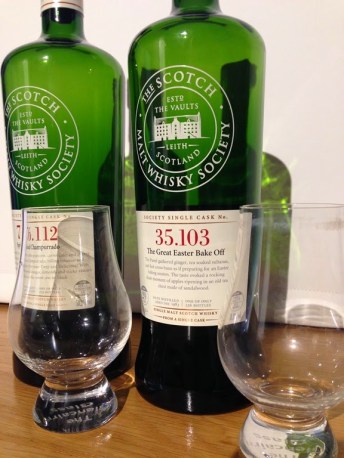
Glen Moray 1983, 29yo, The Great Easter Bake-off, 58.8% (35.103) – SMWS

Old Glen Moray from the SMWS has proven itself over a number of occasions in the past. They’ve done a range of the stuff in the last couple of years and the first one I had was AT the SMWS in Queen Street, Edinburgh. After a terrific dinner, a 1970-something dram of great, great whisky, at a whisky bar tastes good no matter what, but I also had the clarity of mind to know they were on to something.

Since then I think I’ve tried another 3 or 4 releases from this bottler (this is one), but of late it became a bit more quiet again. Not in the least because of the cancellation of my membership.

So when a couple of guys on Twitter created a bottle-share group and sent info on a couple of great, old drams to be released from SMWS I happily joined that share. The other one in the set was the epic 27 year old Mortlach I reviewed a while ago.

Anyway, time for the second bottle. Glen Moray is, from where I stand, a highly underappreciated distillery in the Speyside. The people there are nice and they generally make some nice whisky, which shines best when it’s bottled by independent bottlers. Their own releases are recently ‘plagued’ by wine finishes, but they barely ever get the spotlight with anything they release for some reason.

Glen Moray 29 from the SMWS

Glen Moray 29 from the SMWS

Sniff:
It’s rather closed and compact at first, and sharper then I expected. Not too strange with such an ABV, but I didn’t know that when I tried it. So, some alcohol and spices and even some minerals. Rather Clynelish like, but with something in there that I don’t like. After a while I recognize this as paint. Also some hard candy and vanilla.

Sip:
The palate is sharp too with loads of white pepper and alcohol. Dry oak with vanilla and sweet bread. The brioche kind of stuff. Sweet, but sharp. Very, very sharp.

Swallow:
The finish continues down the same path. It does mellow a little bit, but in general I think this dram has a bit too much alcohol in it, and it’s not tamed over the 30 years it spent in oak.

In the end I didn’t use water, but I think I should have. I never use water so in this case I did the same from a consistency viewpoint. I don’t like adding more variables to a tasting note to make it more consistent with the previous ones. In this case I might have added an addendum to get to the next batch of flavours probably lurking beneath the surface.

In this case, the whisky didn’t really do it for me. As in, I don’t think it’s bad, but from a 29 year old whisky I expect a little more in terms of layeredness, subtlety and also a bit more gentleness.

From the two in this wee batch of samples, I liked the Mortlach way more. Luckily, the guy who eventually sent me the samples (Was that you, Ben C?) also added another sample of an SMWS bottling, this one. A review of that will follow.

Glen Moray 29yo, 1983, The Great Easter Bake Off, 35-103, 58.8%. Available at the SMWS for £ 124.60

Posted in Glen Moray | Tagged , , , , | 1 Comment

Salt and Old Vines – Richard W. H. Bray

I don’t know much about wine making, but for some reason this book appealed to me. Mostly because it was recommended on Twitter by Henry Jeffreys, who’s writing Empire of Booze, a book on the history of booze in the UK.

Salt and Old Vines by Richard Bray

Salt and Old Vines by Richard Bray

Anyway, as I’ve said before I really like stories about booze and booze making, instead of just dry facts summed up in yet another history of whisky (like this one and this one). This book is that. It’s not about exactly how to make wine, where to get the wine made by the people written about or anything of that order.

This is just a summation of stories. One story after another about how Richard Bray (what’s that W. H. about?) got to France, how the people he met go about their business and how much wine makers actually drink (in short: A lot).

It’s been a while since I read this book, and I’ve read quite a lot since which makes me not remember a lot of the exact stories, but I do remember laughing out loud at several moments. The book is written rather witty with a lot of skepticism towards the set order of things in wine making, and France. For example, the hard truth that French radio is really appalling. Quite apt when you about to drive to France for a family holiday. It reminded me to pack cds.

To sum up, this book tells stories about making wine. About the people and places that making wine happens. It does not tell you how to make wine or what the specifics are of Roussillon wine making. It’s about people, bars, restaurants and parties. It’s also about long days of back breaking work, injuries and the year needed to recover before everything starts all over again. It’s good.

If you have a tenner to spare, it’s available on play.com. Originally it was crowd funded on Unbound, which is cool too. Get this.

Posted in - Book | Tagged , , , | Leave a comment